
Close
Menopause isn’t simply the end of fertility—it’s a full-body metabolic and neurological transition that affects hormones, brain function, and long-term health. As estrogen, progesterone, and testosterone decline, women often experience fatigue, brain fog, weight gain, sleep disruption, and reduced motivation. These changes are not random—they are driven by measurable shifts in endocrine and neurological function. Understanding these changes—and how to address them effectively—is critical to maintaining long-term vitality. To better understand how targeted signaling therapies support hormone optimization, visit the main peptide education page →
In Mexico, the average age of menopause is approximately 48–49 years old, slightly earlier than the global average, highlighting the importance of early intervention (PMC8190071 via PubMed).
Peptides play a critical role in regulating these systems at the signaling level. If you’re new to this, start with what are peptides and how they work.
Estrogen is a master regulatory hormone that influences thermoregulation, cardiovascular health, and brain metabolism. As estrogen declines, symptoms such as hot flashes, night sweats, and cognitive disruption become more common. (PubMed:https://pubmed.ncbi.nlm.nih.gov/34108509/)
Critically, estrogen supports brain glucose metabolism. Its decline reduces the brain’s ability to efficiently produce energy, which contributes directly to brain fog and mental fatigue. (PubMed:https://pmc.ncbi.nlm.nih.gov/articles/PMC5634623/)
Progesterone supports nervous system balance and deep sleep. Its decline during perimenopause is strongly linked to insomnia, anxiety, and mood instability.
Peptides that influence neurological calmness may support this transition. Learn more in your Selank peptide article.
Testosterone is critical for maintaining energy, strength, and motivation. As levels decline, women often experience reduced muscle mass, lower libido, and decreased mental drive. This hormonal drop contributes significantly to the loss of physical performance and confidence often seen during menopause.
Hormonal changes during menopause directly affect metabolism. Estrogen decline is associated with increased insulin resistance and fat storage—especially visceral fat. (PubMed:https://pmc.ncbi.nlm.nih.gov/articles/PMC2894539/)
At the same time:
To address these changes, explore:
Rebuild hormone signaling and metabolic function with targeted peptide therapies designed for menopause optimization
Traditional hormone therapy restores hormone levels—but it does not fully optimize how the body uses those hormones. This is where peptide therapy plays a critical role.
Peptides act as signaling molecules that regulate processes such as metabolism, recovery, and neurological function. When combined with hormone therapy, they create a more complete and effective approach to menopause treatment.
Kisspeptin is a key regulator of the reproductive hormone axis. During menopause, disruptions in this signaling pathway contribute to hormonal instability and hot flashes.
Supporting this pathway may:
Low-dose testosterone therapy is one of the most impactful tools for restoring vitality.
Benefits include:
👉 Learn more about testosterone therapy for women
Estrogen therapy remains one of the most effective treatments for managing menopause symptoms and protecting long-term health.
It supports:
👉 Explore estrogen therapy options
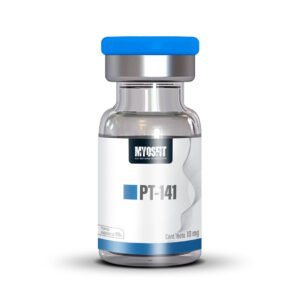
PT-141 works through the central nervous system to enhance desire and arousal.
For a deeper breakdown, read your PT-141 peptide article
You can also explore broader options in peptides for sexual health
Hormones and peptides serve different but complementary roles.
Using both creates a more advanced approach to menopause care—addressing not just symptoms, but the underlying systems driving those symptoms.
Research from Lisa Mosconi shows that menopause significantly impacts brain energy metabolism. As estrogen declines, the brain experiences reduced glucose utilization, contributing to cognitive symptoms and increased long-term neurological risk.
This work also highlights a connection between menopause and increased Alzheimer’s risk in women (via PubMed – Brinton).
Menopause does not have to mean decline. With the right combination of hormone therapy, peptide optimization, and metabolic support, it is possible to restore energy, maintain muscle, and protect brain health.
Take control of menopause with a personalized protocol combining hormone therapy and advanced peptides
Explore our Sexual Health and Hormonal Peptides
The most effective treatment for menopause symptoms typically combines hormone therapy with targeted lifestyle and metabolic support. Estrogen and progesterone therapy can reduce hot flashes, sleep disruption, and mood changes, while advanced options like peptide therapy help improve energy, metabolism, and recovery. The best results come from a personalized approach that addresses both hormone levels and how the body responds to them.
Yes—hormone therapy and peptide therapy work best when used together. Hormones restore baseline levels such as estrogen and progesterone, while peptides enhance signaling pathways that control metabolism, recovery, and neurological function. This combined approach creates a more complete menopause optimization strategy, addressing both symptoms and underlying biological function.
Several peptides may support menopause-related symptoms. Kisspeptin helps regulate hormone signaling and may influence hot flashes. PT-141 works through the central nervous system to improve libido and sexual function. Other metabolic peptides can support fat loss, insulin sensitivity, and body composition. These are often used alongside hormone therapy for a more comprehensive approach.
When prescribed in appropriate, low doses and monitored by a qualified professional, testosterone therapy can be safe and highly effective for women. It may improve muscle mass, energy levels, libido, and mental clarity. The key is proper dosing and medical supervision to maintain hormone levels within a physiological range.
Menopause has a direct impact on brain function because estrogen plays a key role in brain energy metabolism. As estrogen declines, the brain becomes less efficient at using glucose, which can lead to symptoms like brain fog, memory issues, and fatigue. Long term, this hormonal shift may increase the risk of neurodegenerative conditions, making early hormone optimization important for protecting cognitive health.


• What peptides really are and how they function inside the body
• The logic and structure behind high-performance MyosFit stacks
• Fat loss, muscle recovery, sleep, longevity, and skin optimization strategies
• How advanced stacks are engineered, not guessed
• What defines clinical-grade peptides,s and why most products fail that standard
The date has not been announced yet – join the early interest list to be notified first when registration opens.
Signup for news and special offers!
You have successfully joined our subscriber list.